Ten Signs of Professional Conduct in Physiotherapy
Choosing the best physical therapist can greatly impact your recovery journey, making it crucial to point out the main signs of professionalism and expertise in this field. With a myriad of options available, comprehending what to look for in a skilled and trustworthy physical therapist is vital. This article intends to guide you through the most important signs that a physical therapist shows exceptional professionalism, ensuring you receive the optimal care tailored to your individual needs.
Professionalism in physical therapy goes beyond basic qualifications. It includes a set of attributes, from effective communication skills to a devotion to continued education. Recognizing these qualities can assist you steer clear of common pitfalls when choosing a physical therapist and empower you to make wise decisions to support your recovery. Join us as we investigate the ten essential signs that show whether a physical therapist is truly a cut superior to the rest.
Key Qualities of a Professional Physical Therapist
A experienced and dependable physical therapist possesses a strong foundation of education and certifications, which are essential in providing high-quality care. They should hold relevant degrees and certifications, demonstrating their devotion to the profession and compliance to industry standards. Certification is crucial, as it reflects the therapist's competence and ability to practice effectively and capably. Patients should prefer therapists who keep their credentials current and engage in continued education, as this demonstrates a commitment to continuous learning and staying current with advancements in the field.
Strong communication is another hallmark of professionalism in physical therapy. A professional therapist hears carefully to their patients, ensuring that they grasp their concerns, goals, and medical history. They provide concise explanations about therapeutic strategies and progress tracking, empowering patients to participate in their recovery actively. When a therapist can express complex information in an easy-to-understand way, it builds trust and fosters a cooperative therapeutic relationship.
Lastly, understanding and personalized care are vital characteristics of a great physical therapist. They should show real concern for their patients' well-being and adapt treatment plans to meet individual needs. This approach not just enhance the healing process but also makes patients feel appreciated and acknowledged. learn the facts here now who invests effort to connect with their patients and adjust their techniques properly contributes to a more positive and successful rehabilitation experience.
Warning Signs to Look Out For When Choosing a Physical Therapist
When selecting a therapist, it is crucial to be mindful of specific red flags that may indicate possible issues with professionalism. One major warning sign is a absence of appropriate licensing and credentials. A certified therapist should be authorized to practice in your state, and they should be able to show proof of their qualifications. If a provider is hesitant or unable to share their license information, it brings up worries about their legitimacy and ability to provide secure, successful care.
Another warning sign to consider is subpar communication abilities. A skilled physical therapist should actively listen to your concerns, provide concise clarifications about treatment strategies, and inform any updates throughout your treatment. If you feel rushed during appointments or if the therapist often interrupts you, it may indicate a deficiency of regard for your opinions and an insufficient approach to your care. Strong communication is key for establishing trust and ensuring effective recovery.
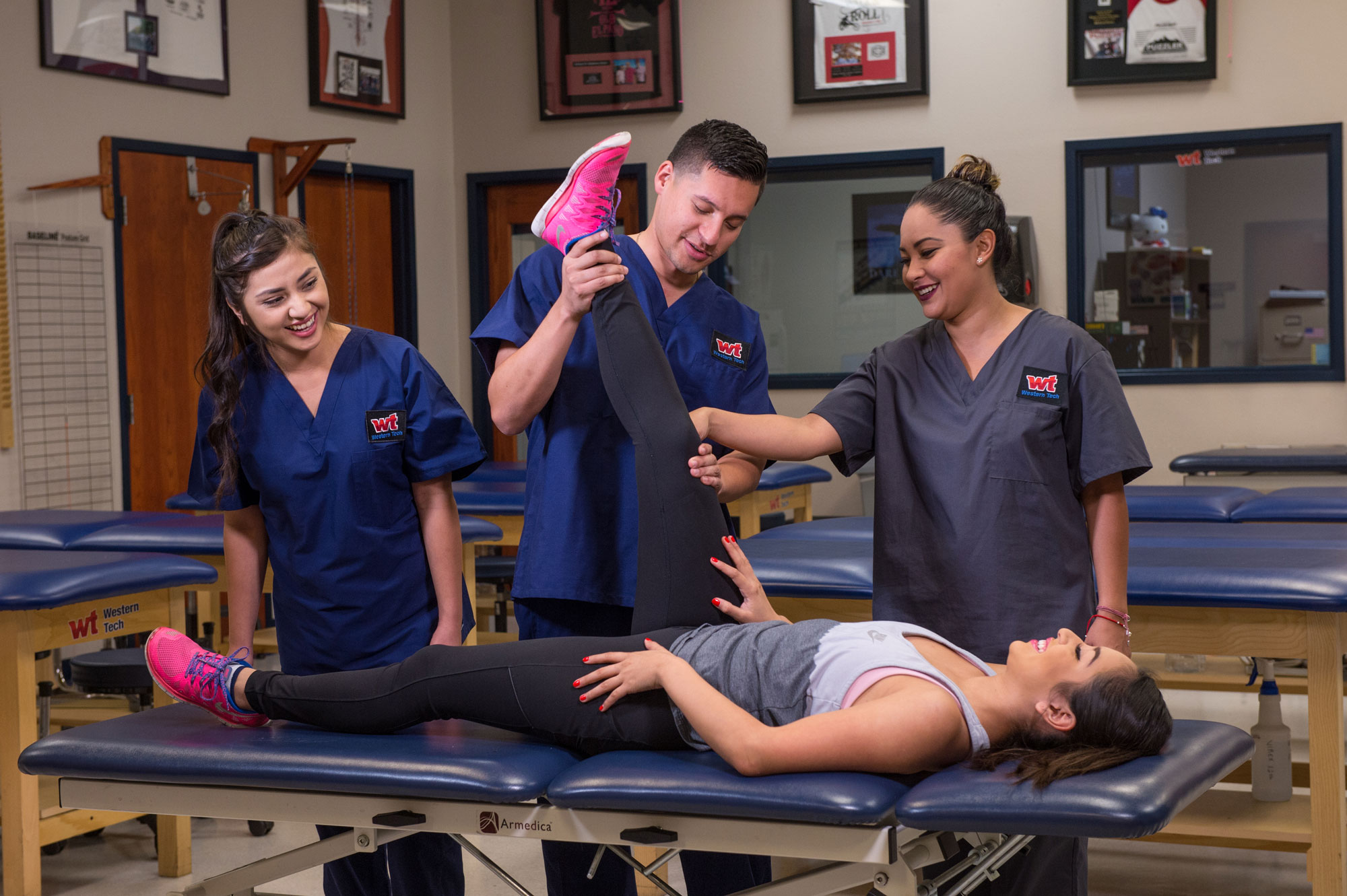
Lastly, observe the therapy environment and practices of the facility. If the facility is dirty, disorganized, or lacking necessary tools, these can be indicators of poor standards. Additionally, be cautious if the provider relies heavily on generic approaches without taking your individual situation or requirements into consideration. Personalization is key to effective therapy, and failing to consider your unique situation can hinder your progress.
The Importance of Licensing and Experience in Physical Therapy
Licensing plays a crucial role in guaranteeing quality care in physical therapy. Each physical therapist is required to possess a valid license, indicating that they have undergone the essential education and training necessary for practice. Licensing not only guarantees that the therapist has met specific educational standards but also ensures adherence to ethical guidelines and professional standards. In the absence of proper licensing, a therapist might not possess the necessary skills and knowledge to deliver effective treatment, which could jeopardize patient safety and recovery.
Experience is vital in determining the effectiveness of a physical therapist. Seasoned professionals bring a wealth of knowledge gained from years of working with diverse patient populations and various conditions. An experienced therapist is likely to have encountered a range of scenarios and can draw on effective strategies and evidence-based techniques tailored to each patient's unique needs. Furthermore, having frequently dealt with challenging situations, they are more adept at dynamically modifying treatment plans according to the patient's progress.
Selecting a physical therapist who possesses both proper licensing and considerable experience enhances the chances of a successful recovery process. RPM physical therapist should feel empowered to ask about a therapist's qualifications, such as their educational background, years of practice, and specialized training. This vetting process not only builds trust but also promotes a collaborative atmosphere where patients feel confident and informed about their care. In conclusion, the integration of licensing and experience is crucial for obtaining high-quality physical therapy services that facilitate effective rehabilitation and superior health outcomes.