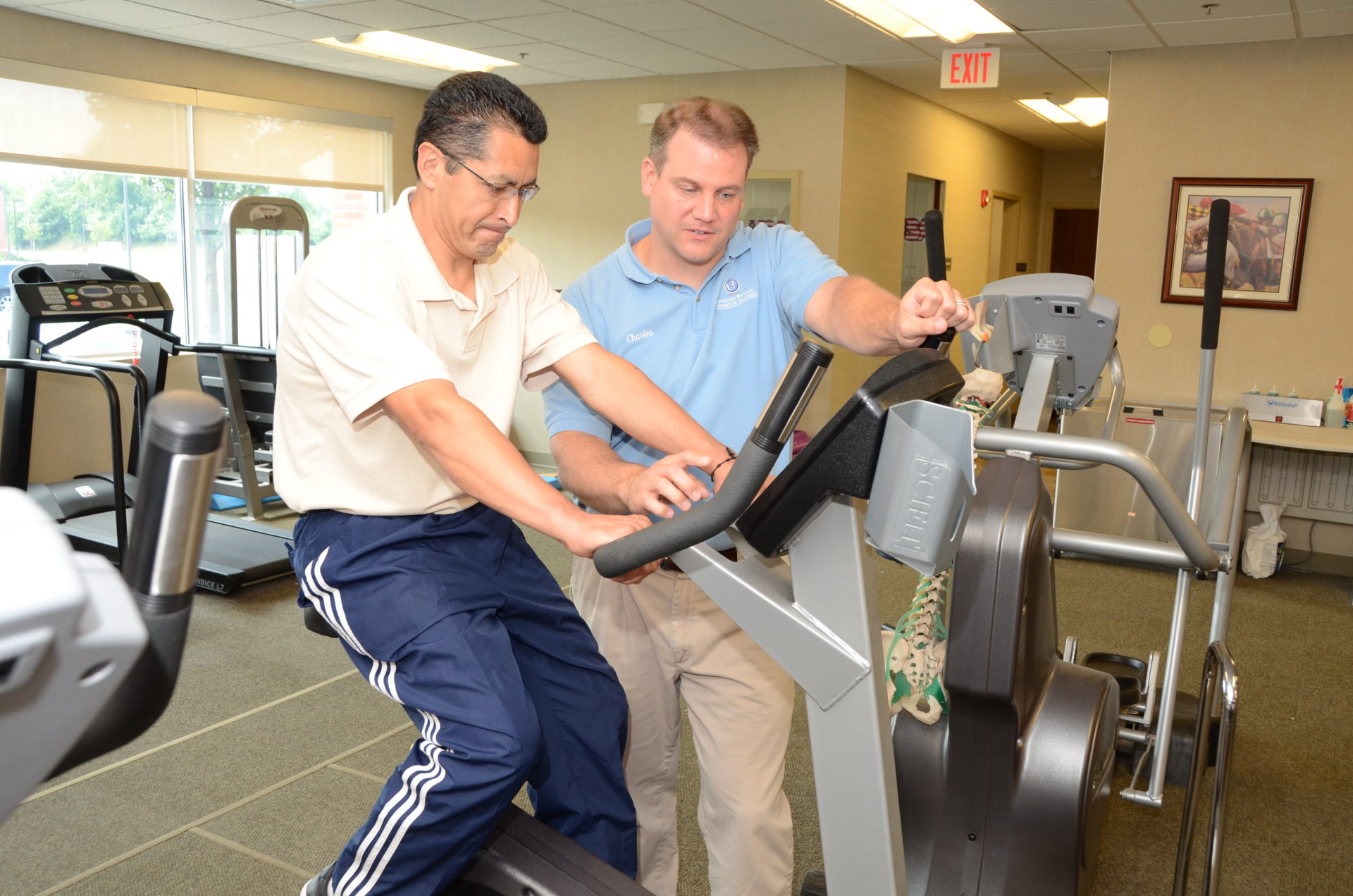
Recognizing an Certified Physical Practitioner: Things to Watch For
Selecting the right physical therapist can be a vital step in your rehabilitation process. An experienced and reliable therapist merely supports alleviate pain and improve mobility and also plays an integral role in your overall well-being. Amidst numerous available options, knowing what to consider is essential in identifying a qualified professional who aligns with the specific needs.
This guide aims to emphasize the top signs of a qualified and reliable physical therapist, as well as key qualities that set the best apart from the rest. From recognizing the importance of licensing and certification to understanding the nuances of personalized care, being well-informed will empower you to make a wise choice for the recovery. Regardless of whether you are dealing with a long-term issue, recuperating post-surgery, or aiming to improve your physical capabilities, discovering the right therapist can be transformative. Let’s explore what to watch for as you begin this process.
Key Markers of a Competent Physical Therapist
One of the principal signs of a skilled physical therapist is their ability to communicate clearly. A highly effective therapist genuinely listens to your worries and explains the treatment process in a way that you can grasp. They should encourage questions and guarantee that you feel knowledgeable and at ease about the therapy you're undergoing. This level of communication cultivates a reliable relationship, which is essential for successful rehabilitation.
Another important sign is the therapist's use of research-backed practices. A certified physical therapist remains up-to-date with the recent research and applies proven techniques tailored to your individual needs. This demonstrates not only their dedication to professional growth but also their commitment to providing you with the most effective possible care. find here must feel confident that your therapist is aware about current treatment options.
A elite physical therapist will also show a considerable degree of professional integrity and compassion. They should demonstrate reliability by being prompt and methodical in their manner to therapy sessions. Additionally, a caring demeanor can significantly enhance your treatment experience, making you feel appreciated and acknowledged as a patient. When a therapist merges expertise with an empathetic attitude, it creates an atmosphere conducive to wellness and restoration.
Essential Qualities to Look For
When searching for a qualified physical therapist, you should to identify certain qualities that indicate a capable professional. Initially, strong communication skills are essential. A good physical therapist should carefully listen to your needs, explain treatment plans clearly, and respond to any questions you may have. This open dialogue creates a nurturing environment, ensuring you to feel comfortable and understood throughout your recovery process.
Another valuable quality is a tailored approach to treatment. A skilled therapist will tailor their methods according to your individual needs, physiotherapy history, and recovery goals. They should monitor your progress regularly and make necessary modifications to your treatment plan, indicating their commitment to your complete well-being. This level of personalization not only enhances the impact of the therapy but also greatly impacts your motivation and engagement in the process.
In conclusion, professionalism and a strong reputation in the community are key indicators of an exceptional physical therapist. Find someone who behaves ethically, upholds patient confidentiality, and shows a clean and organized clinic. Positive patient reviews and testimonials can provide information into a therapist's reputation, demonstrating their ability to provide high-quality care consistently. A professional appearance and demeanor also reinforce their commitment to providing a reliable and trustworthy therapeutic experience.
Eluding Typical Warning Signs
As selecting a physical therapist, it is crucial to be attentive to potential red flags that may indicate a lack of professionalism or competence. One major warning sign is a therapist who does not genuinely listen to your concerns or fails to provide clear explanations about your treatment plan. A good therapist will take the time to understand your goals, answer your questions thoroughly, and adapt their approach based on your needs. If you feel rushed or dismissed during your interactions, it may be time to consider different choices.
A further red flag to watch for is a physical therapist who makes over-the-top promises, such as guaranteed results in a brief timeframe. Effective physical therapy requires duration, patience, and ongoing effort from both the therapist and the patient. If a therapist suggests that you will achieve fast results without a thorough evaluation, this could indicate a lack of integrity or understanding of the recovery process. Be cautious of anyone who promotes shortcuts or miracle cures.
Lastly, pay attention to the therapist's credentials and continuing education. A certified physical therapist should be licensed and certified, and they should also be devoted to professional development through continued education. If a therapist seems outdated in their methods or unable to discuss recent developments in the field, this could be a red flag. Making RPM physical therapist that your therapist stays up-to-date with the latest research and techniques is necessary for receiving high-quality care.